
Leo and the Magical Ball of Madness
On imagination, mysticism, and walking the edge without falling
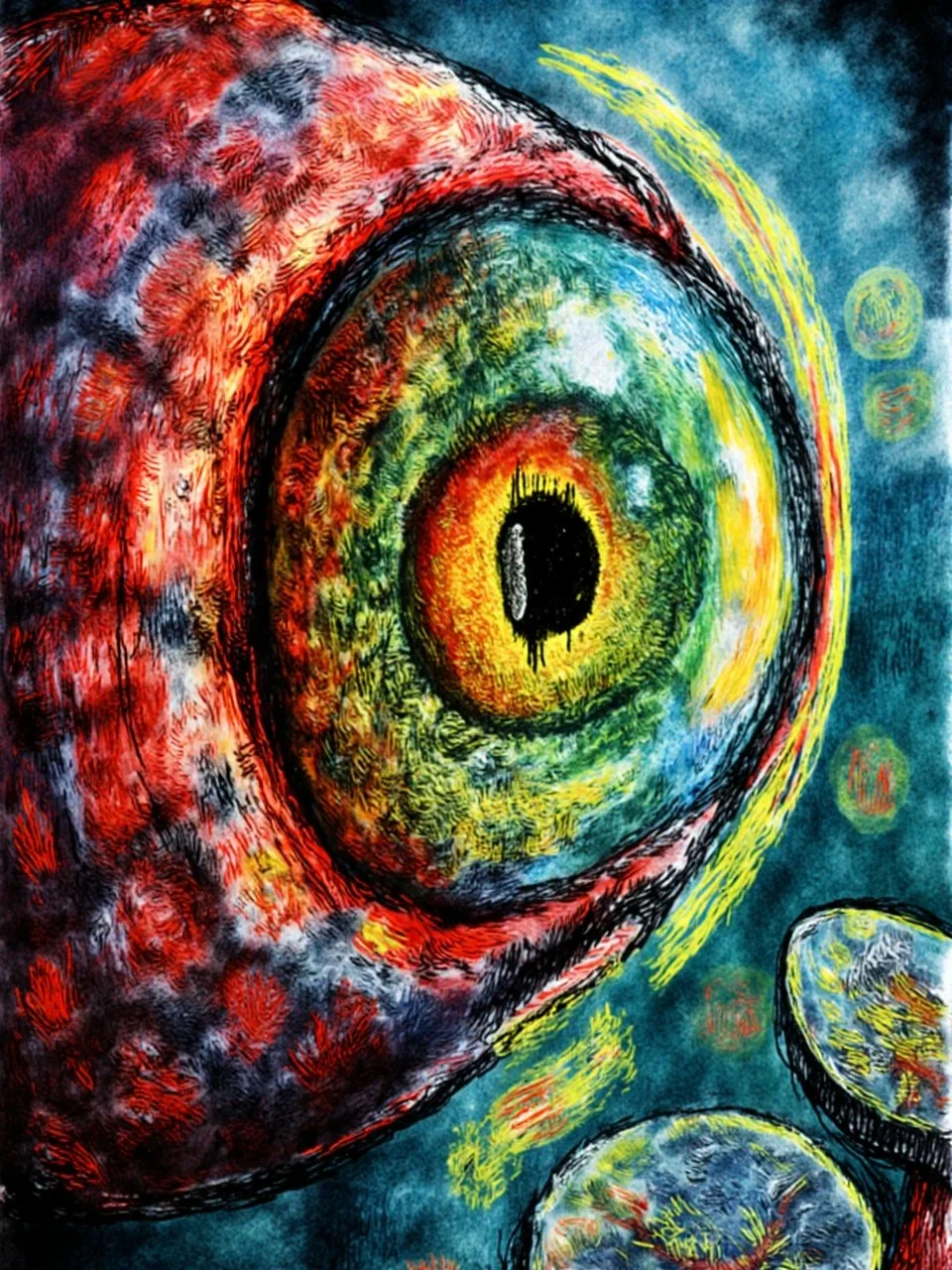
Leo and the Magical Ball of Madness was not written as a fantasy in the conventional sense. It wasn’t designed to be an escape, nor a puzzle, nor a moral tale neatly wrapped in meaning. It emerged instead from a very specific inner terrain — a place where imagination, curiosity, mysticism, and psychological intensity overlap.
At its heart, the book explores what happens when a young mind encounters something vast and seductive: not power in the heroic sense, but possibility. The Ball is not simply a magical object. It is a symbol — a compression of experiences that anyone who has seriously explored mysticism, occult philosophy, altered states, or deep metaphysical questioning will recognise.
The Ball represents that moment when the veil thins.
When ideas stop being abstract and begin to move inside you.
When symbolism stops being decorative and starts to feel alive.
When curiosity tips into obsession, and wonder flirts with disorientation.
Madness, but not in the way people expect
The “madness” in the title is not insanity as pathology. It is closer to the old meanings of the word — frenzy, ecstasy, possession, inspiration. The kind of madness poets, mystics, and shamans have always warned about: the danger of seeing too much, too fast, without a grounding structure to hold it.
Leo doesn’t go mad because the world is cruel.
He goes mad because the world becomes too open.
The Ball gives him access to ideas, worlds, and powers that have no moral instruction manual. It doesn’t guide him. It doesn’t protect him. It doesn’t judge him. It simply responds. And that is where the danger lies.
This mirrors real occult exploration. Mysticism does not arrive with safety rails. It doesn’t ask whether you’re ready. It doesn’t care if you’re young, arrogant, wounded, or curious for the wrong reasons. It opens doors — and expects you to learn how to stand upright while walking through them.
Grounding versus intoxication
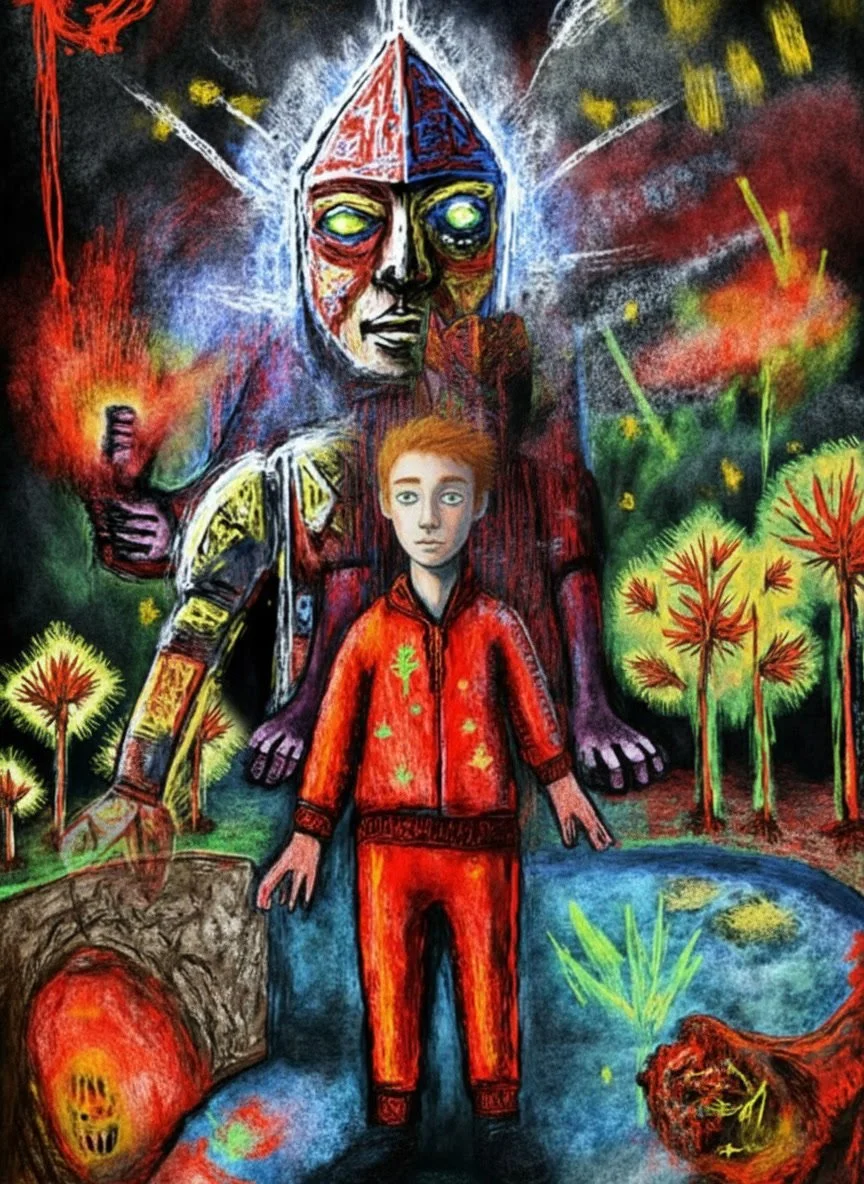
One of the central tensions in the book is not good versus evil, but groundedness versus intoxication.
Leo is not evil. He isn’t cruel by nature. But he is unprepared. He mistakes intensity for truth. Power for understanding. Novelty for depth. The Ball becomes an amplifier — not of wisdom, but of whatever Leo already is.
This reflects a real psychological and spiritual truth:
occult ideas don’t create imbalance — they reveal it.
The book is, in many ways, a meditation on how easily imagination can turn into self-deception when it is unmoored from responsibility, humility, and emotional grounding. Leo’s journey is not about learning spells or mastering worlds; it’s about learning the cost of engaging with forces that don’t care about human fragility.
Why the story is strange, absurd, and excessive
The world of Leo and the Magical Ball of Madness is intentionally exaggerated, grotesque, and surreal. This isn’t stylistic indulgence — it’s structural honesty. When you step into symbolic and occult thinking, reality stops behaving politely. Things become exaggerated. Archetypes bleed into caricature. Meaning becomes unstable.
Absurdity is not decoration here; it’s truth expressed sideways.
The Ball doesn’t create a clean mythic quest. It creates distortions, fractures, excesses — because that is what happens when inner worlds are projected outward without filters. The story reflects the psychological texture of mystical engagement, not the fantasy genre’s tidy version of it.
Why this book exists
This book exists because there is a gap in how we talk about imagination and mysticism.
Most stories either romanticise the occult as empowerment, or demonise it as corruption. Leo and the Magical Ball of Madness sits in the uncomfortable middle. It acknowledges the beauty, the intoxication, the creativity — and the danger.
It asks a quiet but difficult question:
What happens when a young, ungrounded mind touches something ancient, symbolic, and limitless — and mistakes access for mastery?
The answer isn’t condemnation. It’s consequence.
In the end
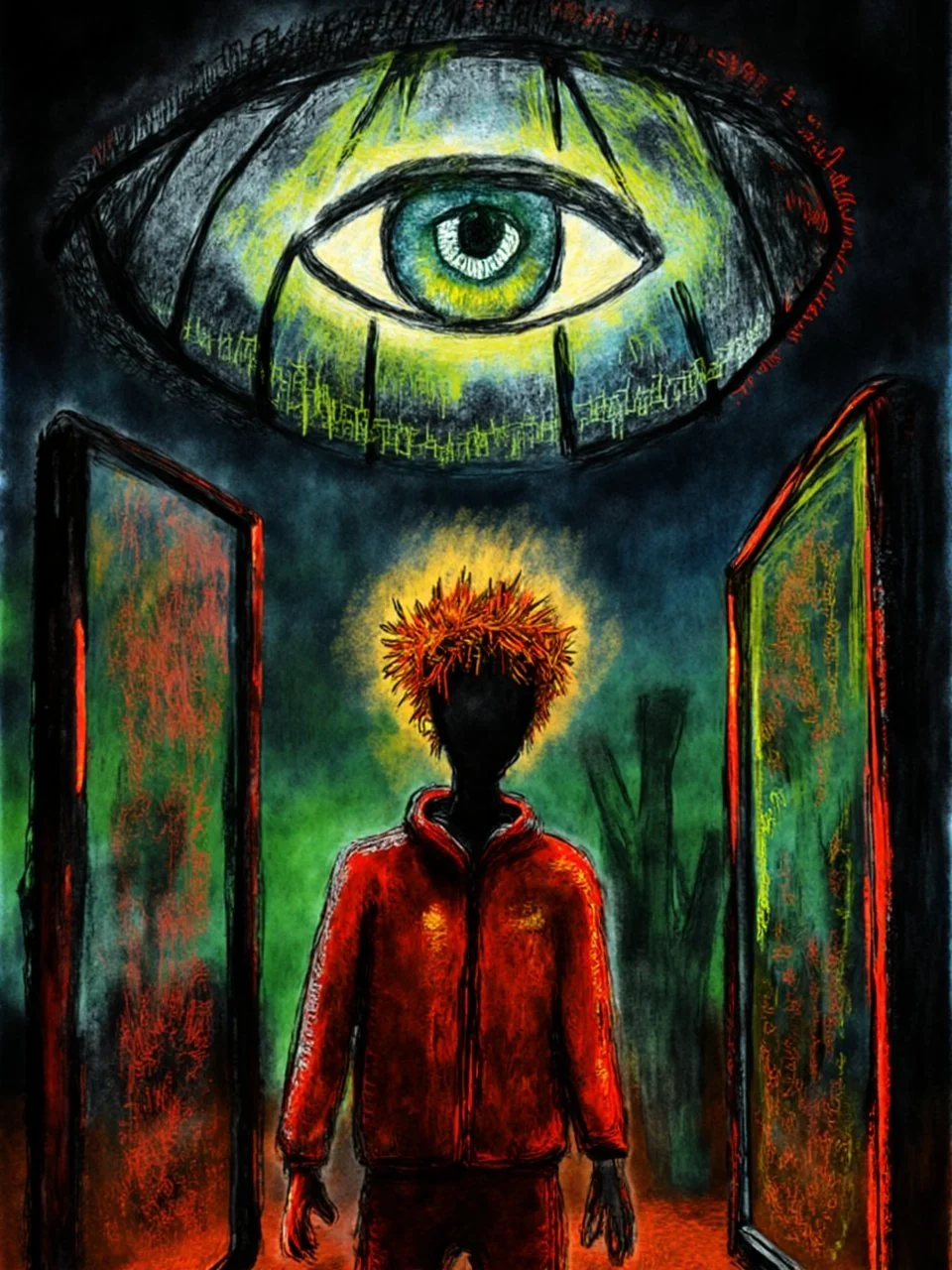
Leo and the Magical Ball of Madness is not a warning, and it is not an instruction manual. It is a mirror — especially for artists, mystics, seekers, and sensitive minds who feel pulled toward the strange, the hidden, and the symbolic.
It recognises that imagination is sacred — but not harmless.
That mysticism can illuminate — but also destabilise.
And that grounding, humility, and self-knowledge are not optional extras when walking near the edge.
The Ball glows.
The Ball calls.
But it never promises to catch you if you fall.